The Dill Whisperer: The Best Companion Plants For Dill
The Dill Whisperer: The Best Companion Plants for Dill
Dill is a delicious and versatile herb that can be used in a variety of dishes, from salads to soups to pickles. It's also a great companion plant, meaning that it can help to deter pests and improve the growth of other plants in your garden.
In this blog post, we'll discuss the best companion plants for dill. We'll also talk about why companion planting is important and how to choose the right companion plants for your garden.
Why Companion Planting is Important
Companion planting is a gardening practice that involves planting certain plants together to benefit each other. There are many different reasons why companion planting is important, including:
- Deterrent pests and diseases. Some plants naturally repel pests and diseases, while others attract beneficial insects. By planting these plants together, you can help to keep your garden healthy and pest-free.
- Improve soil quality. Some plants help to improve the soil quality, making it more fertile and better able to support the growth of other plants.
- Attract pollinators. Many herbs and flowers attract pollinators, such as bees and butterflies. These pollinators are essential for plant reproduction, so attracting them to your garden can help to improve your yields.
How to Choose Companion Plants for Dill
When choosing companion plants for dill, there are a few things you'll want to keep in mind:
- Plants with similar needs. You'll want to choose plants that have similar needs in terms of sunlight, water, and soil conditions. This will help to ensure that both plants thrive.
- Plants that benefit each other. As mentioned above, some plants naturally benefit each other. For example, dill can help to repel pests that target cabbage, so planting these two plants together can help to protect your cabbage from pests.
- Plants that look good together. If you're looking for companion plants that will also add to the aesthetic appeal of your garden, you'll want to choose plants that have complementary colors and textures.
The Best Companion Plants for Dill
Now that you know a little bit about companion planting, let's take a look at some of the best companion plants for dill:
- Carrots. Dill and carrots are a classic combination. Dill helps to repel carrot flies, while carrots help to improve the flavor of dill.
- Cucumbers. Dill and cucumbers are another great combination. Dill helps to repel cucumber beetles, while cucumbers help to improve the flavor of dill.
- Lettuce. Dill and lettuce are a good choice for a salad garden. Dill helps to repel aphids, while lettuce provides a nice contrast to the dill's feathery leaves.
- Marigolds. Marigolds are a great companion plant for a variety of herbs, including dill. Marigolds help to repel pests and diseases, and they also add a touch of color to the garden.
- Nasturtiums. Nasturtiums are another great companion plant for dill. Nasturtiums help to repel aphids and whiteflies, and they also attract beneficial insects.
Conclusion
Dill is a versatile and delicious herb that can be a great addition to any garden. By planting dill with the right companion plants, you can help to deter pests, improve soil quality, and attract pollinators.
Here are some additional tips for companion planting with dill:
- Plant dill near the edges of your garden to help deter pests from entering the center of your garden.
- Plant dill with taller plants, such as tomatoes or cucumbers, to help protect it from the sun and wind.
- Harvest dill regularly to encourage new growth.
With a little planning, you can easily create a companion planting scheme that will benefit both your dill and your other garden plants.
Dill is a versatile herb that can be used in a variety of dishes, from salads to soups to pickles. It's also a great companion plant, meaning that it can help to improve the growth and health of other plants in your garden.
Some of the best companion plants for dill include:
- Asparagus: Dill attracts lacewings and ladybugs, which prey on aphids that damage asparagus.
- Broccoli: Dill can improve the health of brassicas like broccoli, kohlrabi, cauliflower, Brussels sprouts, kale, and Swiss chard. Dill repels pests like the cabbage worm, cabbage moth, and cabbage looper that prey on brassicas.
- Cucumbers: Dill and cucumbers are a match made in pickle heaven. Dill helps to repel cucumber beetles and spider mites, while cucumbers provide shade and support for dill plants.
- Lettuce: Dill helps to repel aphids and other pests that can damage lettuce plants.
- Onions and garlic: These pungent plants help to repel aphids and other pests, while also providing nutrients to the soil.
If you're looking to improve the growth and health of your garden, consider planting dill alongside these companion plants. For more information about companion planting with dill, visit Garden Wiki.
FAQ of companion plants with dill
Q: What are the best companion plants for dill?
A: Dill is a member of the celery family and can be grown alongside a variety of other plants. Some of the best companion plants for dill include:
- Onions: Onions and dill both repel aphids, so planting them together can help to protect your plants from this common pest.
- Celery: Celery and dill have similar growing requirements, so they can be grown together without competing for resources.
- Lettuce: Dill can help to repel spider mites, which can be a problem for lettuce plants.
- Cucumbers: Dill and cucumbers are a classic pairing, and they both benefit from being grown together. Dill can help to repel cucumber beetles, and cucumbers can help to shade the dill plants from the sun.
- Brassicas: Dill can help to repel cabbage moths and cabbage loopers, which are common pests of brassicas.
Q: What plants should I avoid planting near dill?
A: There are a few plants that you should avoid planting near dill, including:
- Carrots: Dill can inhibit the growth of carrots, so it is best to avoid planting them together.
- Peppers: Dill can attract pests that can also damage peppers, so it is best to avoid planting them together.
- Lavender: Dill can suppress the growth of lavender, so it is best to avoid planting them together.
Q: How do companion plants benefit each other?
A: Companion plants can benefit each other in a number of ways. For example, some plants can attract beneficial insects that help to control pests, while others can improve the soil quality or provide shade.
In the case of dill, it can benefit from being planted near other plants that repel pests. For example, onions and garlic can repel aphids, which can be a problem for dill plants. Cucumbers can also help to shade the dill plants from the sun, which can help to prevent them from bolting.
Q: How far apart should I plant dill and its companion plants?
A: The distance at which you plant dill and its companion plants will depend on the size of the plants. For example, you will need to plant dill and onions further apart than you would dill and lettuce.
In general, you should follow the spacing recommendations on the seed packet. This will ensure that your plants have enough space to grow and develop properly.
Image of companion plants with dill
5 different images of companion plants with dill:
- Nasturtiums: Nasturtiums are a great companion plant for dill because they deter pests like aphids, whiteflies, and spider mites. They also attract pollinators like bees and butterflies.

- Borage: Borage is another great companion plant for dill because it attracts pollinators and helps to repel pests. It also has medicinal properties that can help to boost the immune system.
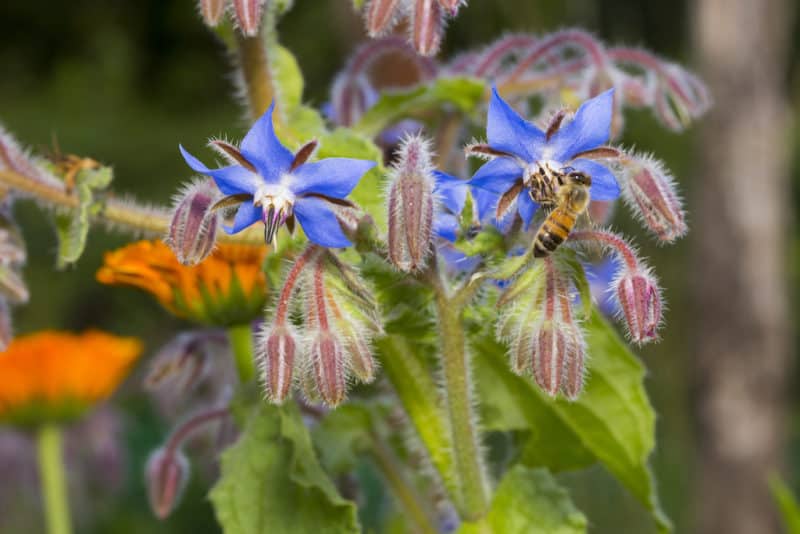
- Marigolds: Marigolds are a popular companion plant for many different vegetables, including dill. They help to repel pests like nematodes, rootworms, and aphids.

- Parsley: Parsley is a good companion plant for dill because it helps to improve the flavor of both plants. It also helps to deter pests like carrot rust flies.
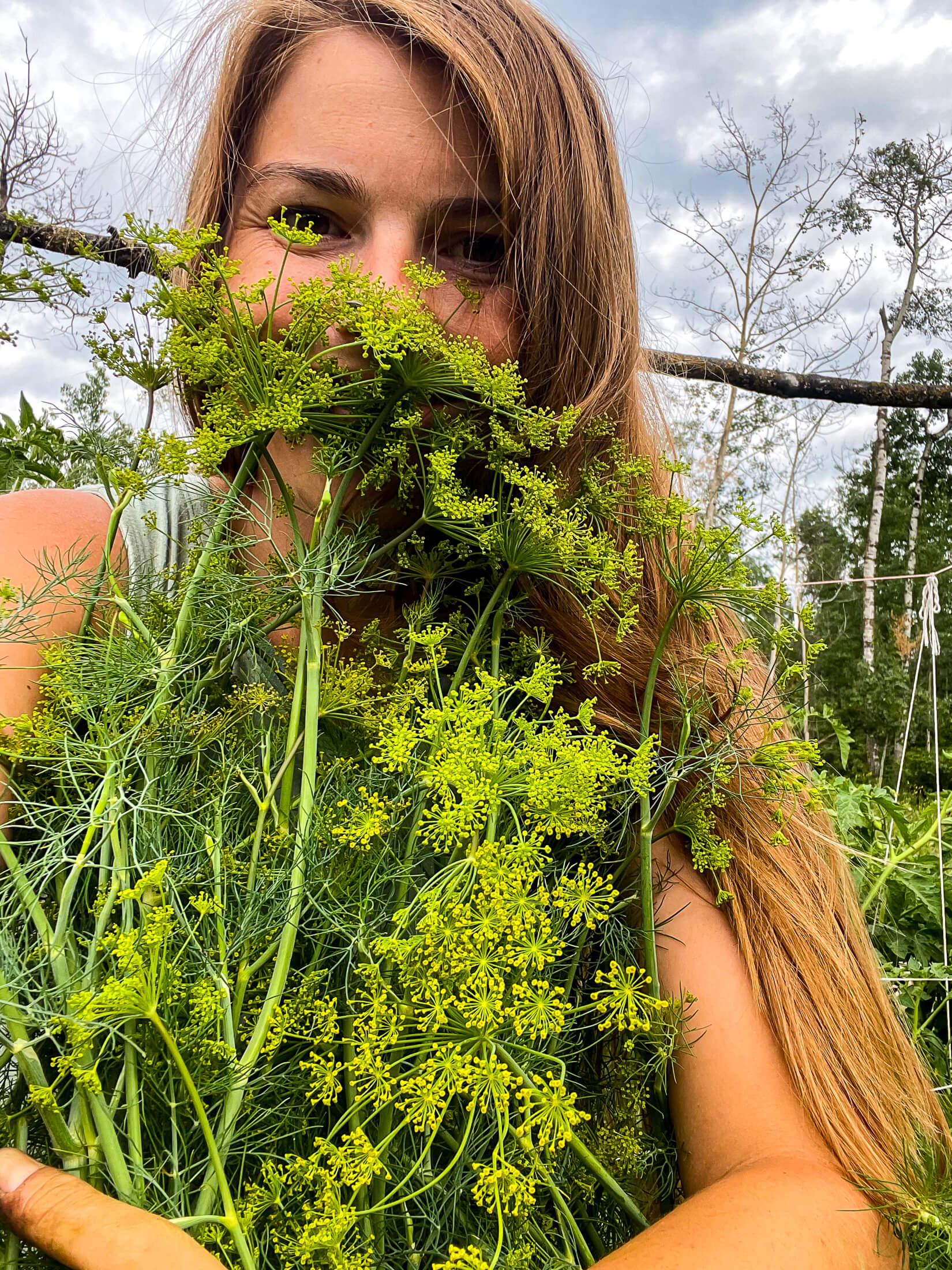
- Cucumbers: Cucumbers and dill are often grown together because they complement each other's growth. Dill helps to deter cucumber beetles, while cucumbers help to shade the dill roots.


Post a Comment for "The Dill Whisperer: The Best Companion Plants For Dill"