And
The conjunction "and" is one of the most common words in the English language. It is used to connect two or more words, phrases, or clauses. For example, we can say "I like apples and oranges" or "She went to the store and bought groceries."
The conjunction "and" has a few different meanings. It can be used to indicate addition, as in the examples above. It can also be used to indicate a sequence of events, as in the sentence "He got up and went to the kitchen." And, it can be used to indicate a logical connection between two ideas, as in the sentence "I believe that climate change is real and that we need to take action to address it."
The conjunction "and" is a versatile word that can be used in a variety of ways. It is an essential part of the English language, and it is used in every kind of writing, from casual conversation to formal academic essays.
Are you looking for some delicious and nutritious summer greens to grow in your garden? Visit Home Gardening for more information about the best summer greens to grow, as well as tips on how to grow them successfully.
Home Gardening is a great resource for all things gardening, and they have a wealth of information on summer greens. You'll find everything you need to know, from the best varieties to plant in your climate to how to care for them throughout the growing season.
So what are you waiting for? Visit Home Gardening today and start growing your own delicious summer greens!
FAQ of summer greens to grow
What are some good summer greens to grow?
There are many great summer greens to grow, but some of the most popular include:
- Arugula
- Chard
- Kale
- Lettuce
- Mustard greens
- Spinach
- Swiss chard
- Watercress
These greens are all relatively easy to grow and can tolerate the heat of summer. They are also a good source of vitamins, minerals, and antioxidants.
What are some tips for growing summer greens?
Here are some tips for growing summer greens:
- Choose a sunny spot in your garden.
- Amend the soil with compost or manure.
- Plant the seeds or seedlings in the early spring or late summer.
- Keep the soil moist but not soggy.
- Fertilize the plants every few weeks.
- Harvest the leaves when they are young and tender.
What are some common problems with summer greens?
Some common problems with summer greens include:
- Aphids
- Slugs
- Heat stress
- Leaf spot
Aphids can be controlled with insecticidal soap or neem oil. Slugs can be controlled with beer traps or diatomaceous earth. Heat stress can be prevented by planting in a shady spot or watering the plants regularly. Leaf spot can be prevented by watering the plants in the morning so that the leaves have time to dry before nightfall.
How do I store summer greens?
Summer greens can be stored in the refrigerator for up to a week. To store them, wash the leaves and pat them dry. Then, place them in a sealed container or bag.
Image of summer greens to grow
- Arugula is a peppery green that is perfect for salads or sandwiches.

- Kale is a hardy green that can be eaten raw or cooked.

- Swiss chard is a colorful green that has a sweet, earthy flavor.

- Spinach is a versatile green that can be used in many dishes.

- Lettuce is a classic summer green that is perfect for salads.

- Mustard greens have a peppery flavor that is perfect for stir-fries or salads.
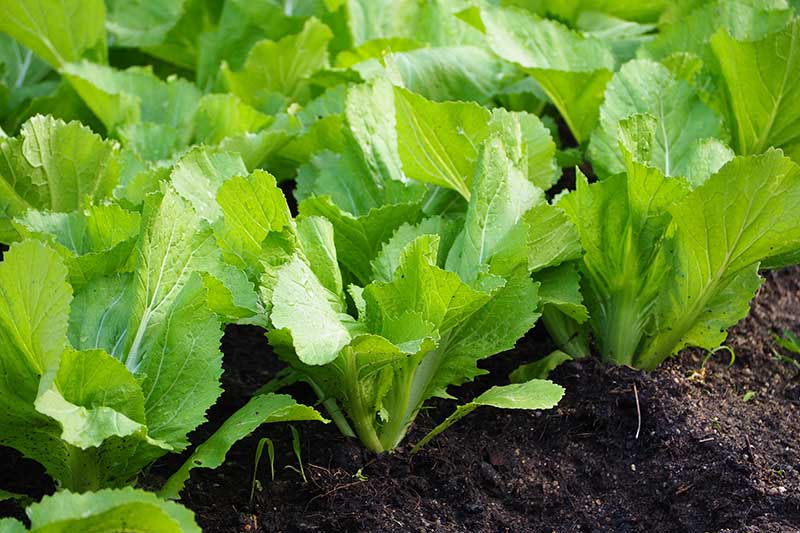
- Watercress is a peppery green that is high in vitamins and minerals.
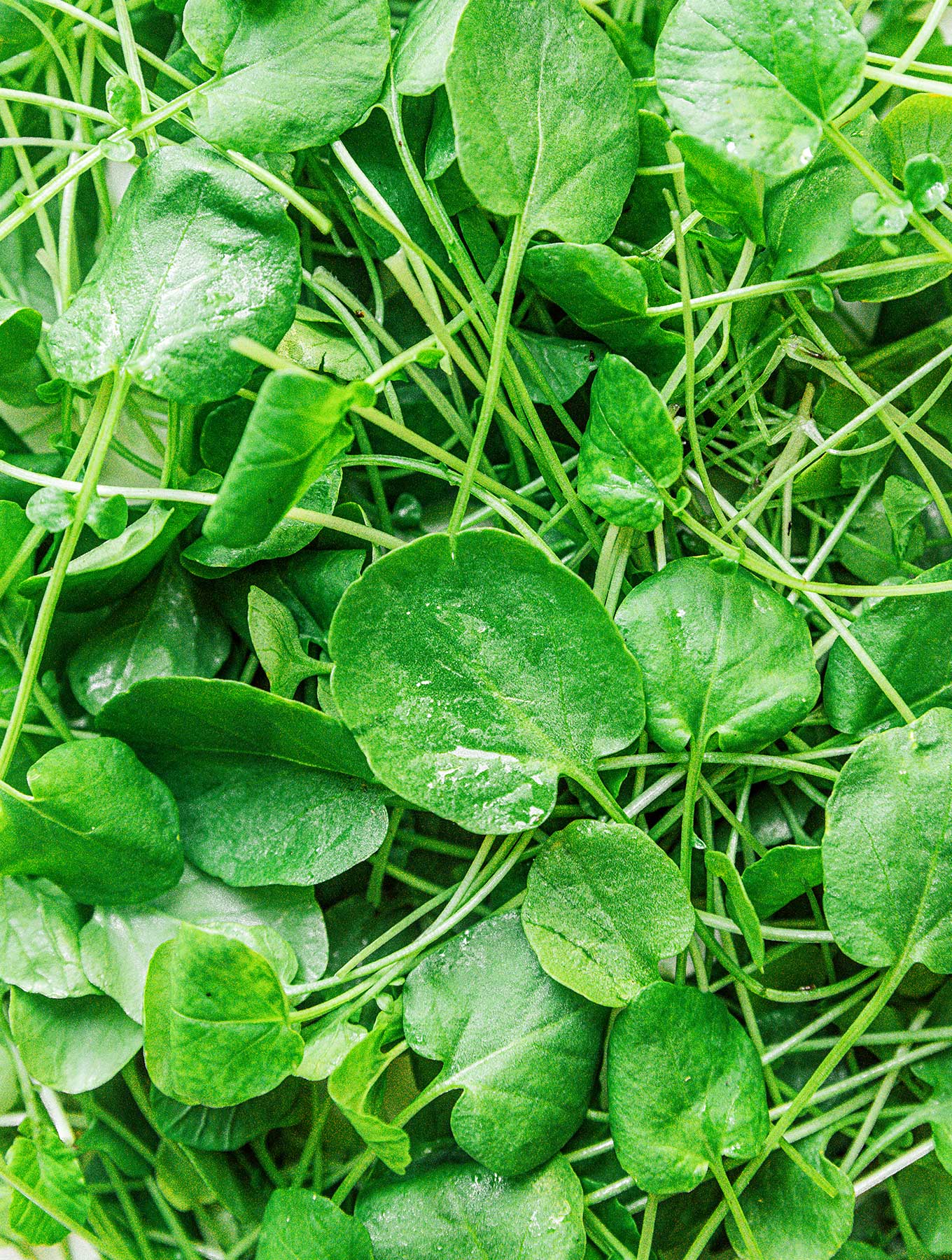
- Collard greens are a hearty green that is perfect for braising or stewing.
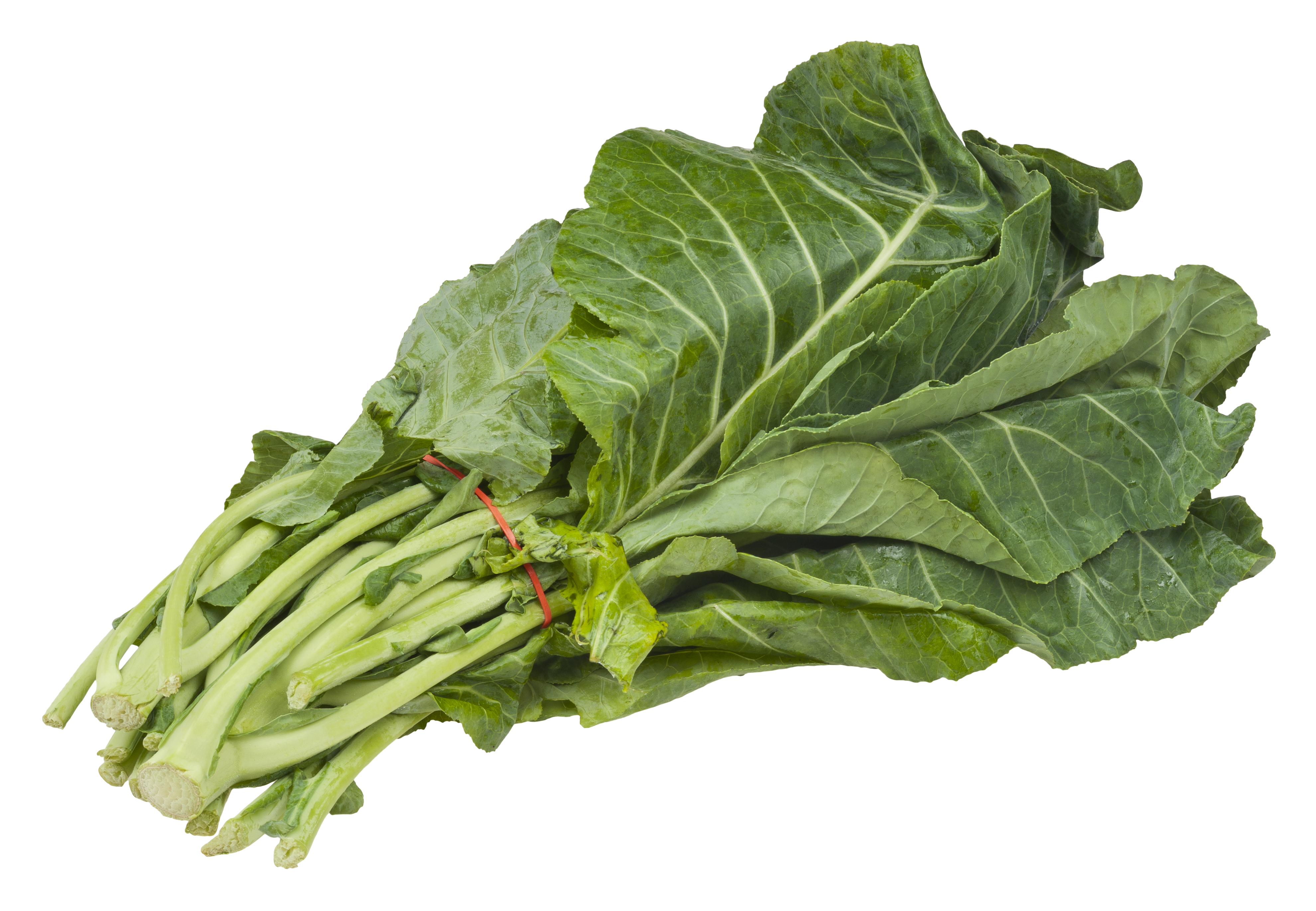
- Dandelion greens are a bitter green that can be eaten raw or cooked.


Post a Comment for "And"